





Start with the contract, not an assumption
An RV extended warranty or service contract can involve more steps than choosing a repair provider. Coverage depends on the actual document, the failed component, exclusions, maintenance requirements, and the administrator's authorization process. Mobile service does not automatically mean a repair qualifies. Before scheduling covered work, locate the contract and read its claim instructions, including any rules about who may diagnose and repair the RV.
Do not assume Geos RV Repair Service participates in your plan, bills your administrator directly, or can promise approval. Confirm the arrangement with both the provider and the contract administrator before authorizing work. This article explains questions to ask, not a business-specific warranty policy or legal interpretation. Your contract and the administrator's written decisions control the claim.
Gather documents and describe the failure accurately
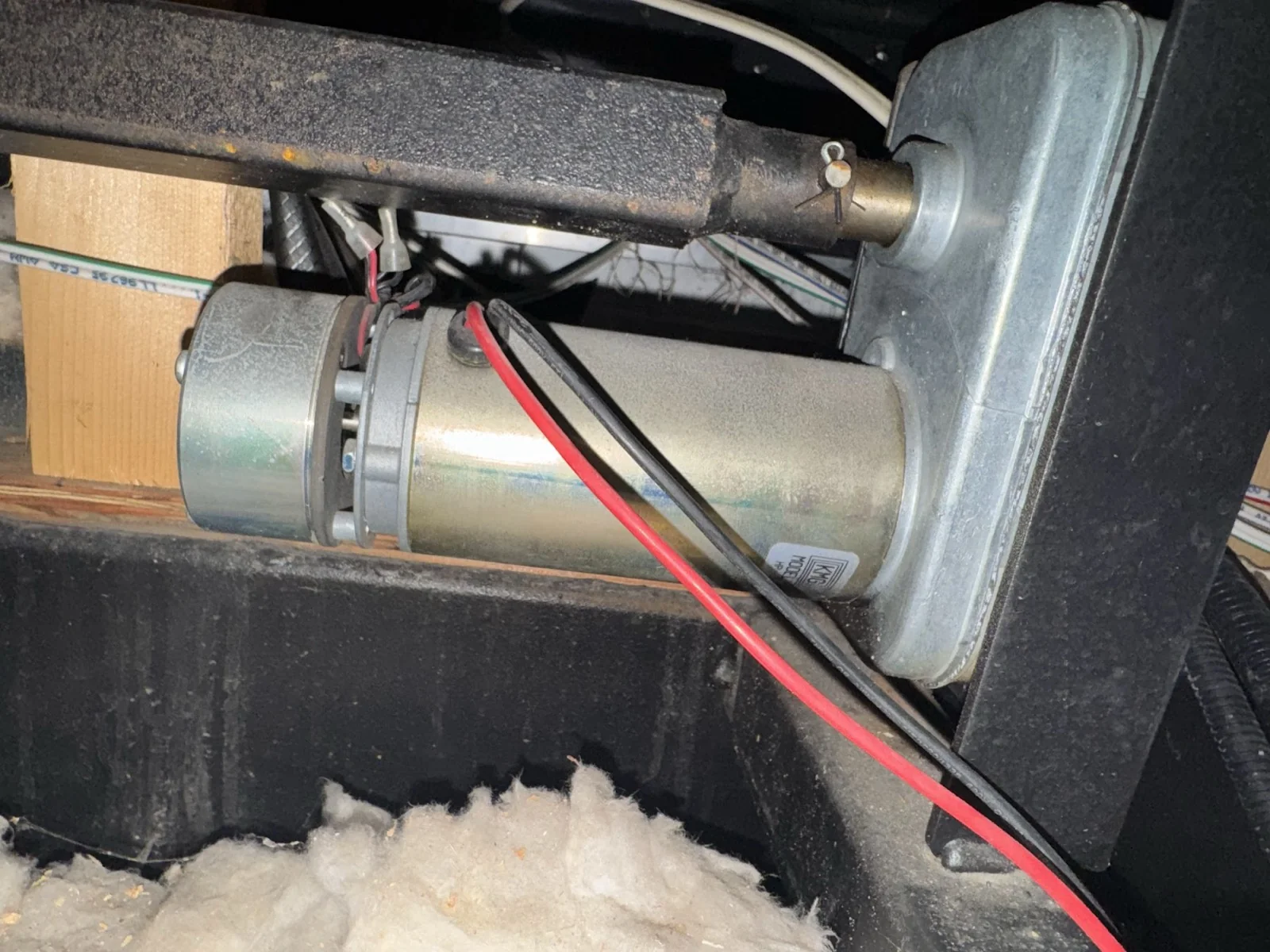
Have the contract number, administrator contact, RV identification, mileage if applicable, and maintenance records available. Write down when the symptom began, what the equipment does now, and whether you stopped using it. Use plain observations rather than a guessed diagnosis. Saying that a slide stopped halfway is more useful than declaring a motor failed when nobody has tested the system.
Keep copies of relevant receipts, photographs, error messages, and earlier repair reports. Ask the administrator which records it needs and how to submit them securely. Avoid sharing full contract documents or personal details in public messages. If a safety issue is present, stop using the affected equipment and explain that concern immediately; paperwork should never become a reason to continue unsafe operation.
Confirm mobile eligibility and the diagnosis process
Ask the administrator whether your contract permits the proposed mobile provider and whether it requires a particular facility or prior authorization just for diagnosis. Separately ask the repair provider whether it is willing to follow the plan's process. Neither side's general familiarity with extended warranties establishes that your specific claim will be accepted. Obtain names, reference numbers, and written instructions when possible.
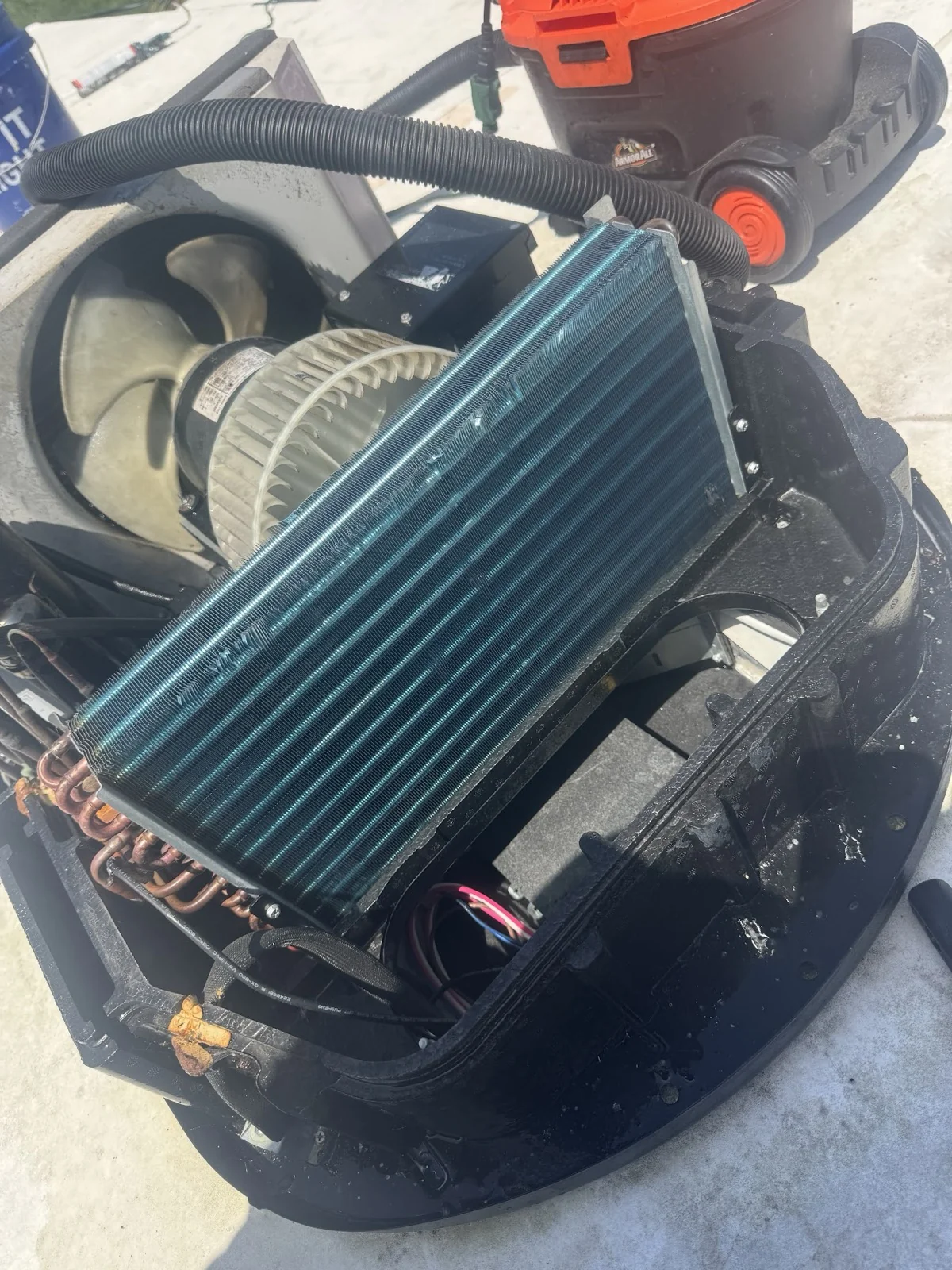
Discuss diagnostic charges and responsibility before the visit without assuming they are covered. Ask what happens if testing finds an excluded cause or no covered failure. For a cooling complaint, the RV A/C service page can help identify the service topic, but it does not establish contract coverage. A symptom, a repair recommendation, and an approved claim are three different things.
Separate diagnosis from permission to repair
Many contracts require authorization before covered repair begins, and some may require an inspection or additional evidence. Ask exactly what can be done before approval, including disassembly, testing, emergency measures, and parts ordering. Do not treat a claim number as permission to proceed unless the administrator confirms what it authorizes. Keep the RV available for any required inspection without operating unsafe equipment.
Once a cause is identified, ask for an estimate that distinguishes the proposed work and any known uncertainty. Review the administrator's response against that estimate. If further damage becomes visible during authorized work, ask whether supplemental approval is needed before continuing. Clear checkpoints help prevent an owner, technician, and administrator from making different assumptions about the same conversation.
Clarify who pays whom and what remains yours
Before work proceeds, establish whether you must pay the provider and request reimbursement, whether the administrator pays the provider, or whether another approved arrangement applies. Ask about the deductible and any items the administrator excludes or limits. Mobile travel, diagnosis, labor allowances, parts, taxes, and related work may be treated differently by different contracts; none should be assumed covered without confirmation.
Request a written explanation of the approved amount and your expected responsibility. If a claim is partly approved, decide whether you authorize the remaining work and how payment will be handled. Do not assume the provider will absorb an unpaid balance. If approval is unclear, pause nonemergency work while the parties clarify it, keeping safety and any necessary protective measures separate from the coverage dispute.
Close the claim with records you can use later
Keep the authorization details, final invoice, payment records, diagnostic findings, and correspondence together. Ask what documentation the administrator needs to close or reimburse the claim and whether a submission deadline applies. Describe the completed work accurately in your own records. Contract coverage for one repair does not establish coverage for a future failure, even if the symptom seems similar.
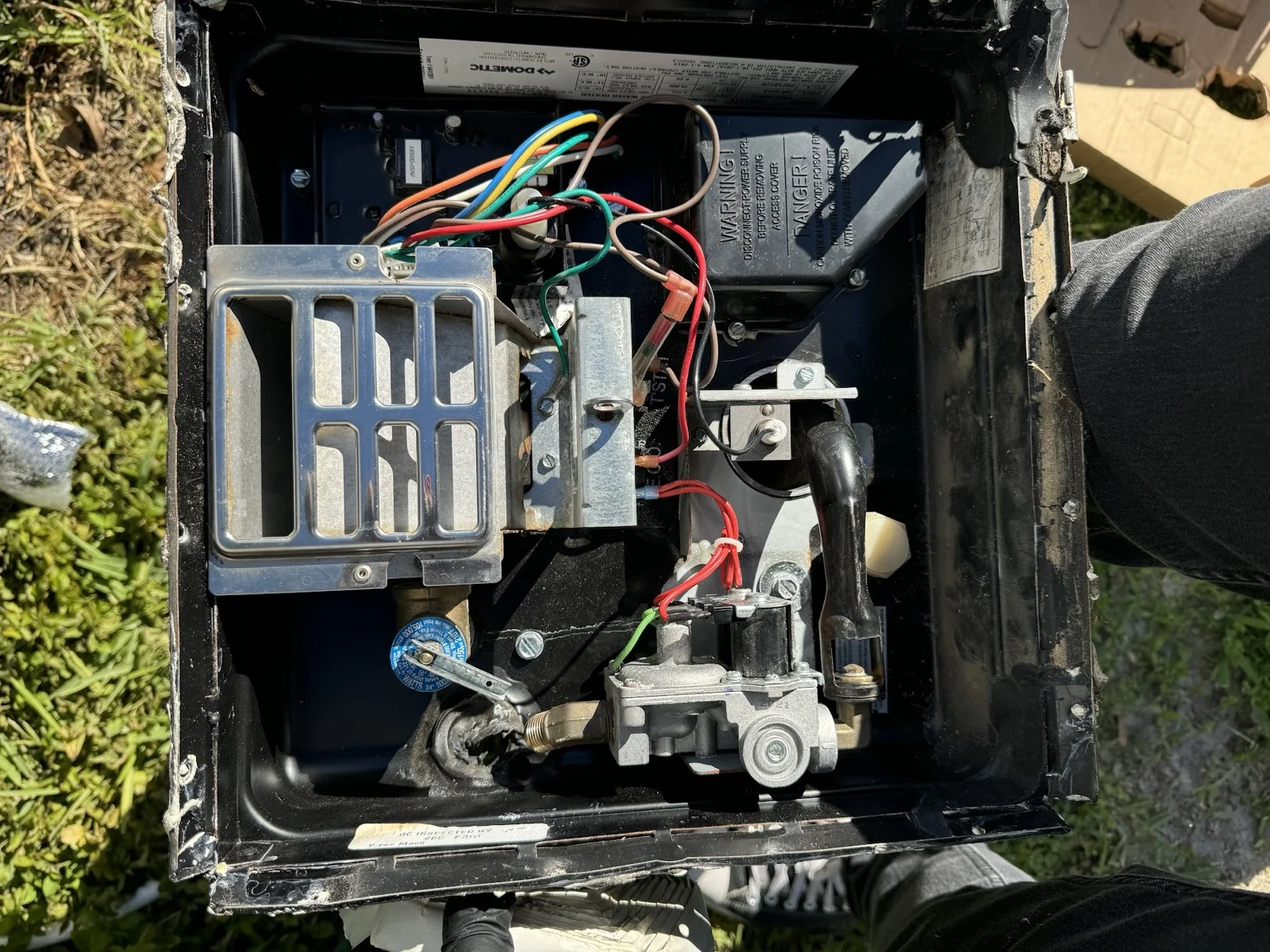
If the claim is denied, request the reason and the relevant contract provision in writing, then follow the administrator's review process. Ask the provider for factual findings rather than asking anyone to change the cause to fit coverage. For power-related symptoms, RV electrical service may be the relevant service discussion, but the same authorization questions still apply. Good records support a clearer conversation; they do not guarantee a particular coverage decision.
Talk through the next step
Geos RV Repair Service is based in Cape Coral, FL. We come to your driveway, campsite, storage lot or RV park. Call (866) 321-8269 or request service to describe your RV, location, and symptoms. Ask about availability, access, and the proposed next steps before making repair or travel plans.
Common questions
It depends on your contract and the arrangement both parties accept. Some claims use reimbursement, while others permit payment to a provider. Confirm the process, required paperwork, deductible, and your responsibility before authorizing work; do not assume direct billing is available.